Nauru ECRCP Program Details
The Nauru ECRCP (Environmental and Climate Resilience Capacity Program) is a critical initiative designed to strengthen the nation’s response to climate change and promote sustainable development. This program plays a pivotal role in addressing the unique challenges faced by Nauru, a small island nation in the Pacific. By enhancing resilience to climate impacts, the ECRCP aims to safeguard the livelihoods of the local community and protect the fragile ecosystem. If you wish to learn more about investment opportunities in Nauru, check out Nauru ECRCP Program Details Nauru CBI, an initiative that supports economic growth.
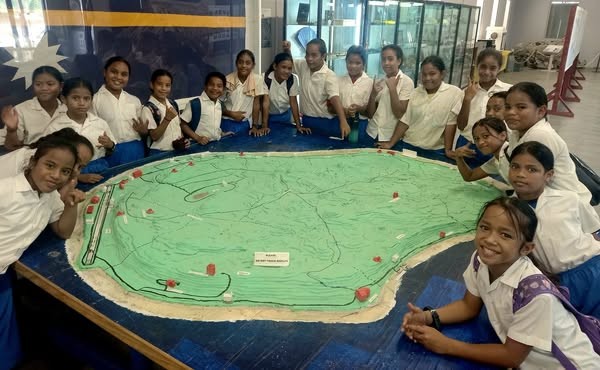
Overview of the ECRCP Program
The ECRCP program is a comprehensive framework focusing on various aspects of environmental conservation and climate resilience. Launched with the support of international partners, the program emphasizes capacity building, community engagement, and sustainable resource management. It recognizes that to effectively combat climate change, countries like Nauru must enhance their institutional capacity and ensure that local communities are actively involved in decision-making processes.
Objectives of the ECRCP
The key objectives of the Nauru ECRCP include:
- Strengthening Capacity: Building institutional capacity for climate change adaptation and mitigation.
- Community Engagement: Involving local communities in climate action initiatives.
- Policy Development: Supporting the government in formulating effective environmental policies.
- Resource Management: Promoting sustainable management of natural resources.
- Awareness and Education: Raising awareness about climate change and fostering a culture of sustainability.
Components of the Program
The ECRCP comprises several components designed to achieve its objectives:
1. Capacity Building
This component aims to enhance the skills and competencies of government officials and local stakeholders involved in climate action. Training sessions, workshops, and knowledge-sharing forums are organized to equip participants with the necessary tools to address climate-related challenges effectively.
2. Community Engagement
Community engagement is at the heart of the ECRCP, recognizing that local communities are crucial in implementing climate adaptation strategies. The program facilitates participatory approaches, ensuring that residents play a role in identifying priorities and solutions. This fosters a sense of ownership and empowerment among the community members.
3. Policy Development
Effective policies are essential for driving climate action. The ECRCP provides technical assistance to the Nauruan government in developing and refining environmental policies, ensuring they are aligned with international standards and best practices. This includes developing frameworks for disaster risk management and climate resilience planning.
4. Sustainable Resource Management
Given Nauru’s limited natural resources, the sustainable management of these resources is vital. The program promotes practices that ensure the long-term viability of freshwater, marine and terrestrial ecosystems. Initiatives may include reforestation, sustainable fishing practices, and the preservation of biodiversity.
5. Awareness and Education
Raising public awareness about climate change and its impacts is crucial for encouraging sustainable behaviors. The ECRCP supports educational initiatives in schools and communities, fostering a culture of sustainability that encourages individuals to take action in their daily lives.
Partnerships and Collaboration
The success of the Nauru ECRCP relies heavily on partnerships and collaboration with various stakeholders, including international organizations, NGOs, and regional development partners. Collaborative efforts help mobilize resources, share knowledge and expertise, and foster a united approach towards combating climate change.

Expected Outcomes
By implementing the ECRCP, Nauru aims for several positive outcomes:
- Increased resilience of communities to climate impacts.
- Enhanced capability of government institutions to manage climate-related risks.
- Effective implementation of sustainable natural resource management practices.
- Improved public awareness and involvement in climate action initiatives.
Challenges Ahead
Despite its potential, the ECRCP faces several challenges that could hinder its effectiveness:
- Resource Limitations: Financial and human resources may be constrained, impacting implementation.
- Geographical Isolation: Nauru’s remote location can complicate logistics and access to external support.
- Climate Impacts: Increasing severity of climate-related events poses ongoing risks to the program’s sustainability.
Conclusion
The Nauru ECRCP represents a significant step towards addressing the challenges posed by climate change while promoting sustainable development in the region. Through a focus on capacity building, community involvement, and effective policy formulation, the program aims to enhance resilience while ensuring that the unique environmental and cultural characteristics of Nauru are preserved for future generations. Continued support from local and international partners will be essential in overcoming challenges and achieving the program’s ambitious goals.