
Understanding Sanctions Investigations and Enforcement Defense
The landscape of international trade and commerce has evolved significantly, particularly in terms of regulatory compliance. As nations impose sanctions to achieve foreign policy objectives, the potential consequences for businesses operating across borders have increased. Organizations need to navigate these complex regulations carefully. This article aims to provide an in-depth look at sanctions investigations and enforcement defense, including compliance challenges and strategies for mitigating risk. For expert assistance, consider consulting a Sanctions Investigations & Enforcement Defense Sanction Lawyer specializing in this field.
The Nature of Sanctions
Sanctions are restrictive measures imposed by countries or international organizations against individuals, entities, or nations to achieve political or economic aims. These measures can take various forms, including trade restrictions, asset freezes, travel bans, and more. While primarily designed to influence behavior, sanctions carry significant implications for businesses engaged in international trade, as they must ensure compliance with these regulations to avoid severe penalties.
Types of Sanctions
Sanctions can be categorized into several types, including:
- Economic Sanctions: These involve financial penalties or restrictions on specific trade practices, impacting the flow of resources.
- Trade Sanctions: Restrictions on the import or export of specific goods or services, typically targeting particular industries.
- Military Sanctions: Arms embargoes that restrict the sale or supply of military equipment to targeted countries.
- Travel Bans: Prohibitions preventing individuals from entering specific countries or regions.
- Asset Freezes: Legal provisions restricting access to financial resources, which can severely impact operations.
Sanctions Investigations
Sanctions investigations can arise when entities are suspected of violating applicable sanctions. This can occur in various scenarios—from inadvertent transactions with sanctioned individuals to deliberate evasion of regulatory frameworks. Organizations should always be prepared for potential investigations and should have a compliance framework in place to address these challenges.
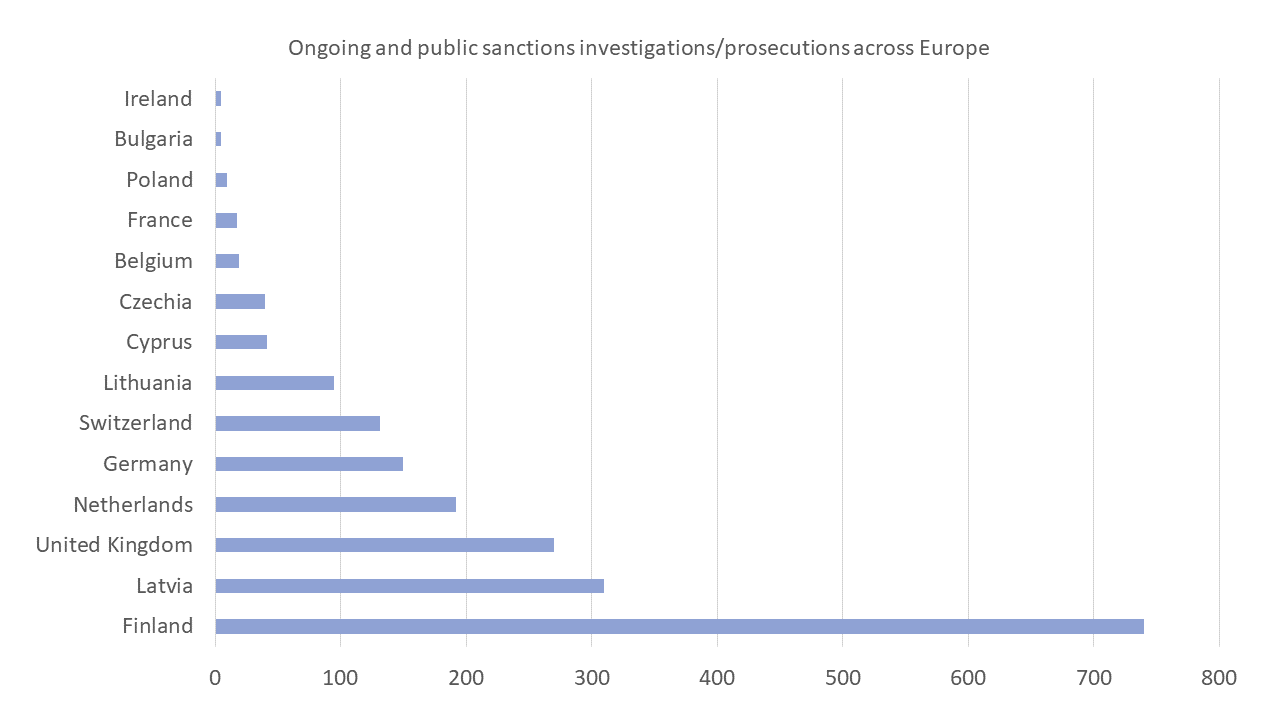
Investigations often involve extensive review and analysis of financial transactions, communications, and business operations. Regulatory agencies, such as the Office of Foreign Assets Control (OFAC) in the United States, have the authority to conduct these investigations and impose penalties on organizations that fail to comply with sanctions regulations. The complexity of these investigations necessitates that businesses engage legal experts who specialize in sanctions law to ensure proper defense and representation.
Enforcement Defense Tactics
When faced with sanctions investigations, organizations have several defense strategies available:
1. Compliance Programs
A robust compliance program is critical. This includes ongoing training for employees, regular risk assessments, and the implementation of internal controls designed to identify and mitigate risks related to sanctions violations.
2. Documentation and Record-Keeping
Maintaining thorough documentation is essential when defending against sanctions investigations. This includes keeping records of transactions, communications, and compliance measures taken. Proper documentation can demonstrate the organization’s commitment to compliance and provide evidence in case of an investigation.
3. Legal Representation
Engaging a lawyer with expertise in sanctions law is vital for organizations facing potential penalties. A skilled attorney can provide advice on compliance matters, assist with investigations, and develop a defense strategy tailored to the organization’s unique circumstances.
4. Voluntary Disclosure
Businesses may opt for voluntary disclosure of potential violations to regulatory authorities. While this may carry some risk, it can also demonstrate good faith and cooperation, which may lead to reduced penalties should an investigation occur.
Challenges in Compliance
Navigating sanctions compliance is not without its challenges. The ambiguous nature of sanctions regulations, coupled with the rapid pace of geopolitical changes, can complicate compliance efforts. Organizations must stay informed about developments in sanctions laws and be agile in their responses to changing conditions. Furthermore, the interconnectivity of the global economy means that businesses must consider the sanctions implications of their operations, even in jurisdictions that may not be directly affected by specific sanctions.
Conclusion
In a world where sanctions play an increasingly crucial role in international relations, organizations must prioritize compliance to safeguard their operations and mitigate risks. Understanding the complexities of sanctions investigations and enforcement defense is vital for businesses engaged in global trade. By establishing strong compliance programs, maintaining thorough documentation, and seeking expert legal guidance, organizations can enhance their resilience against potential sanctions violations. As the geopolitical landscape continues to evolve, staying informed and adaptable will remain essential in navigating the challenges associated with sanctions compliance.